Understanding Polyacrylamide Crosslinking: A Comprehensive Guide
Polyacrylamide crosslinking is a pivotal process in the realm of polymer chemistry, offering a multitude of applications across various industries. Whether it’s in water treatment, agriculture, or even the medical field, polyacrylamide has proven to be a versatile and essential compound. This article dives into the intricacies of polyacrylamide crosslinking, providing insights into its benefits, applications, and the science that drives it.
What is Polyacrylamide?
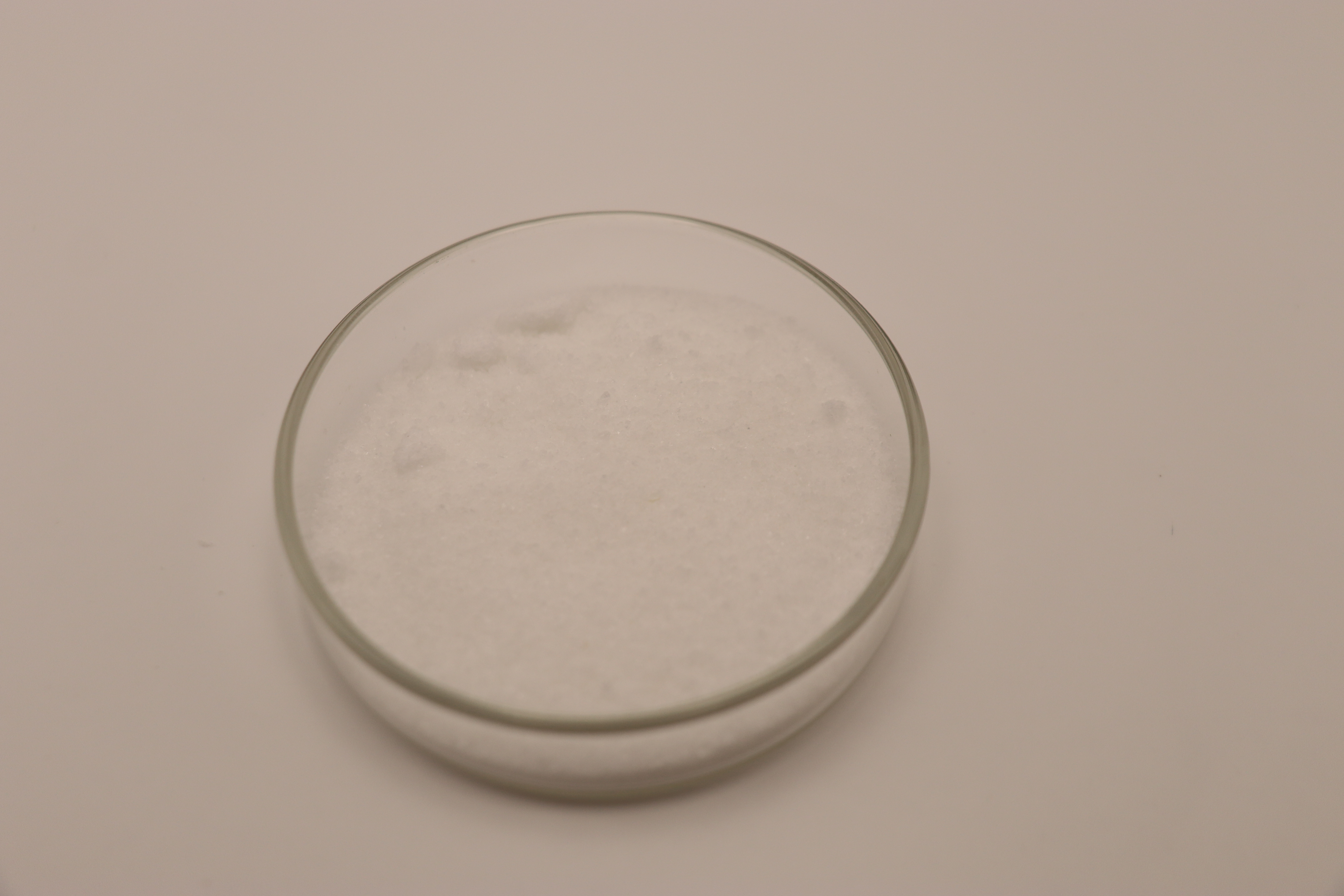
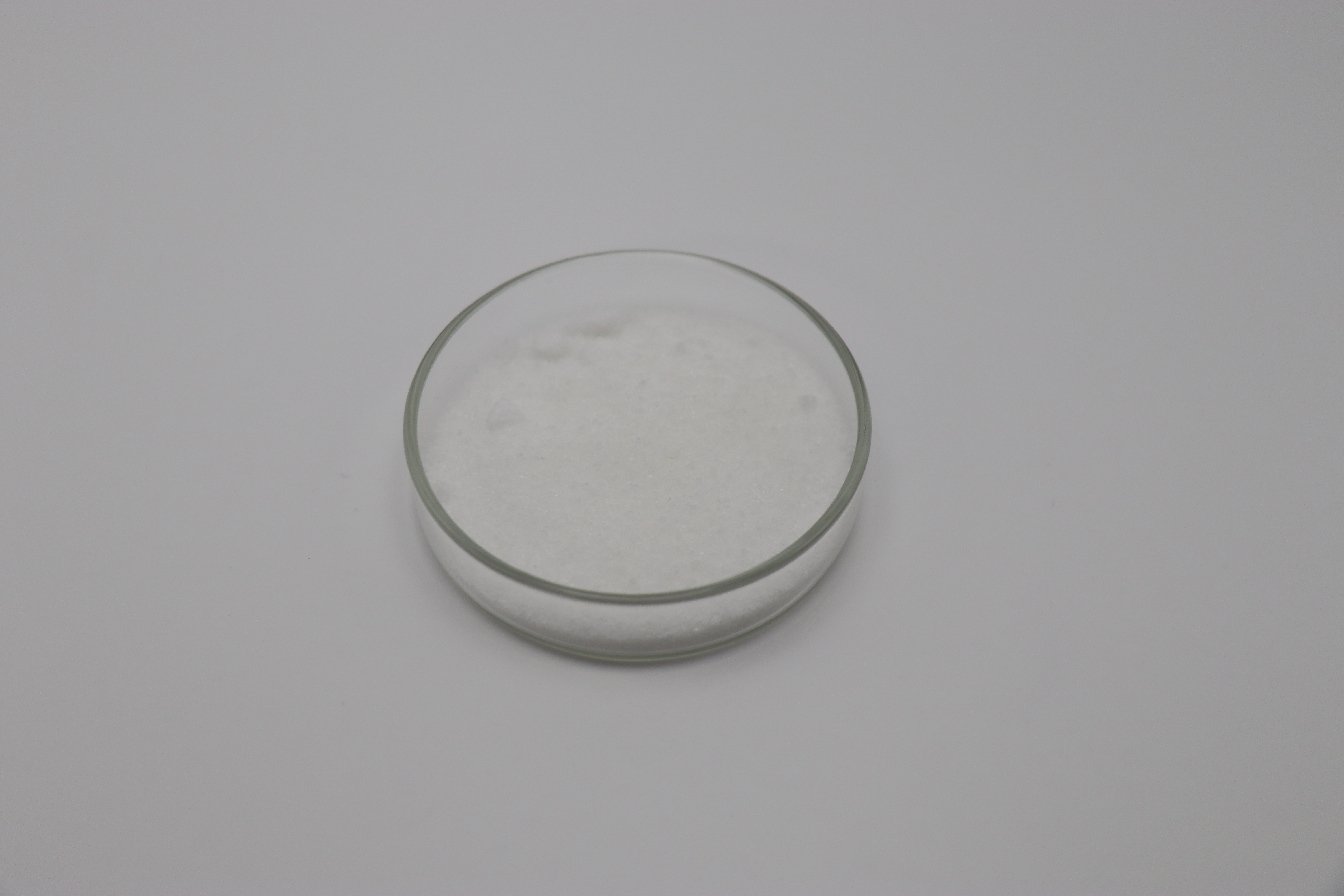
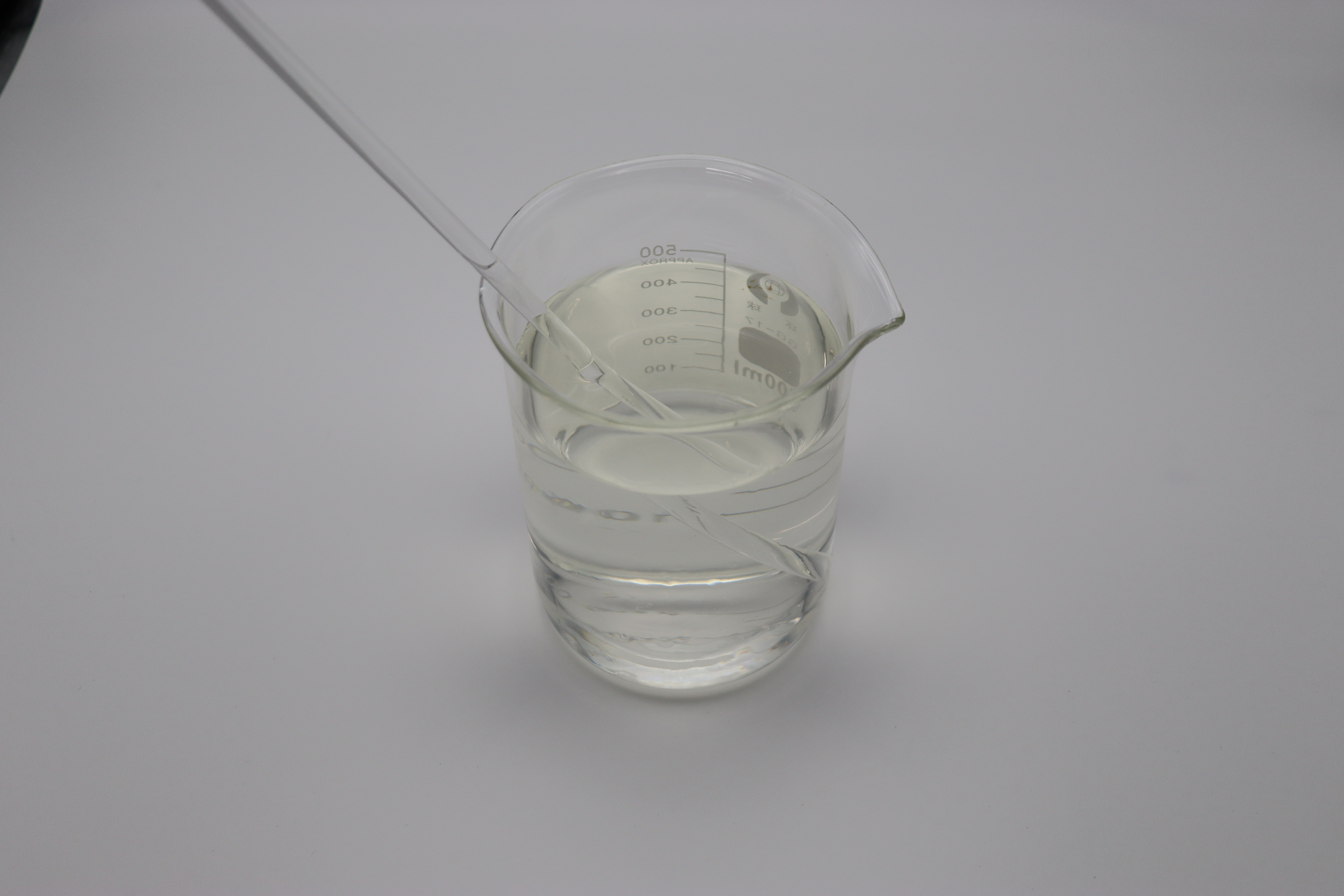
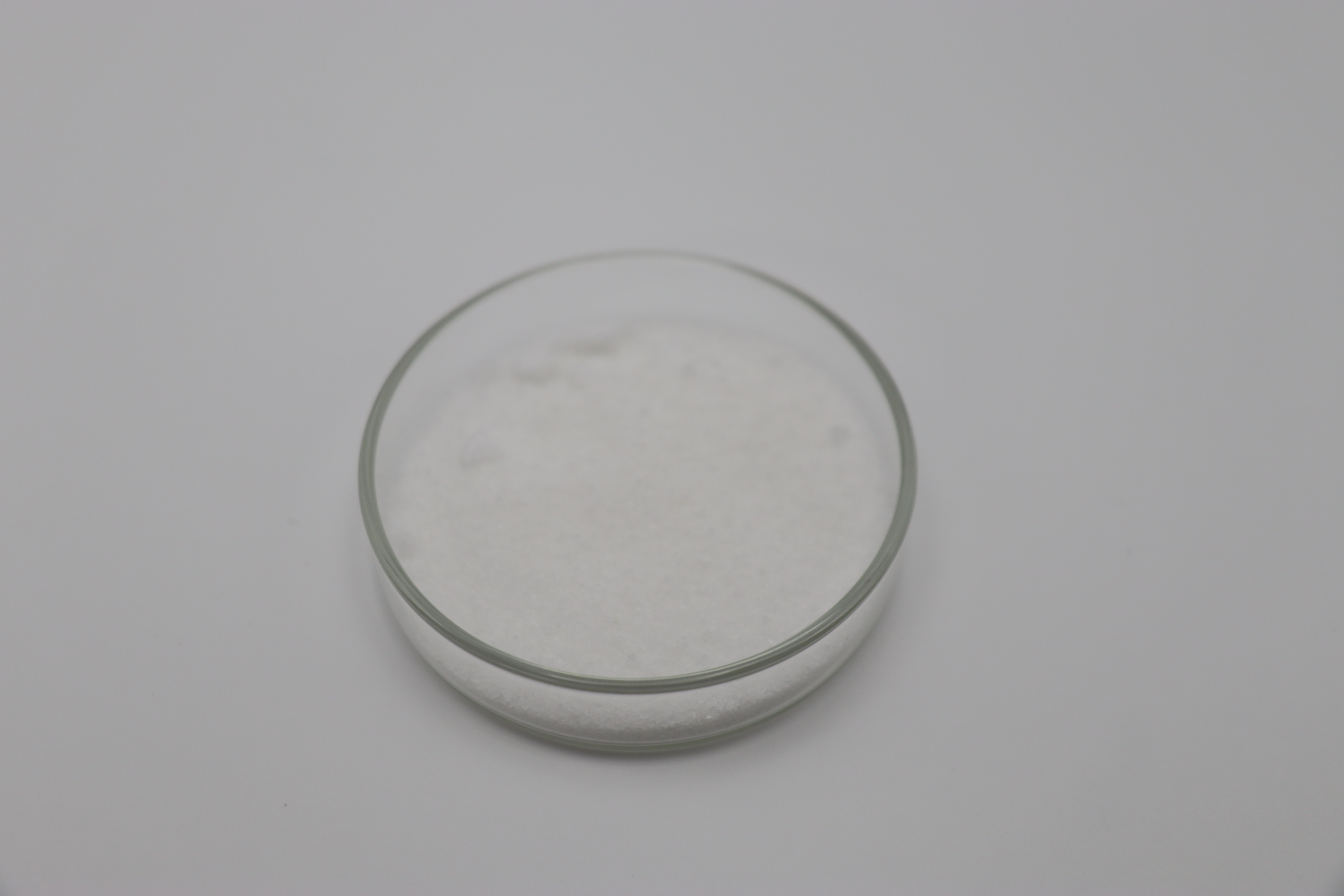
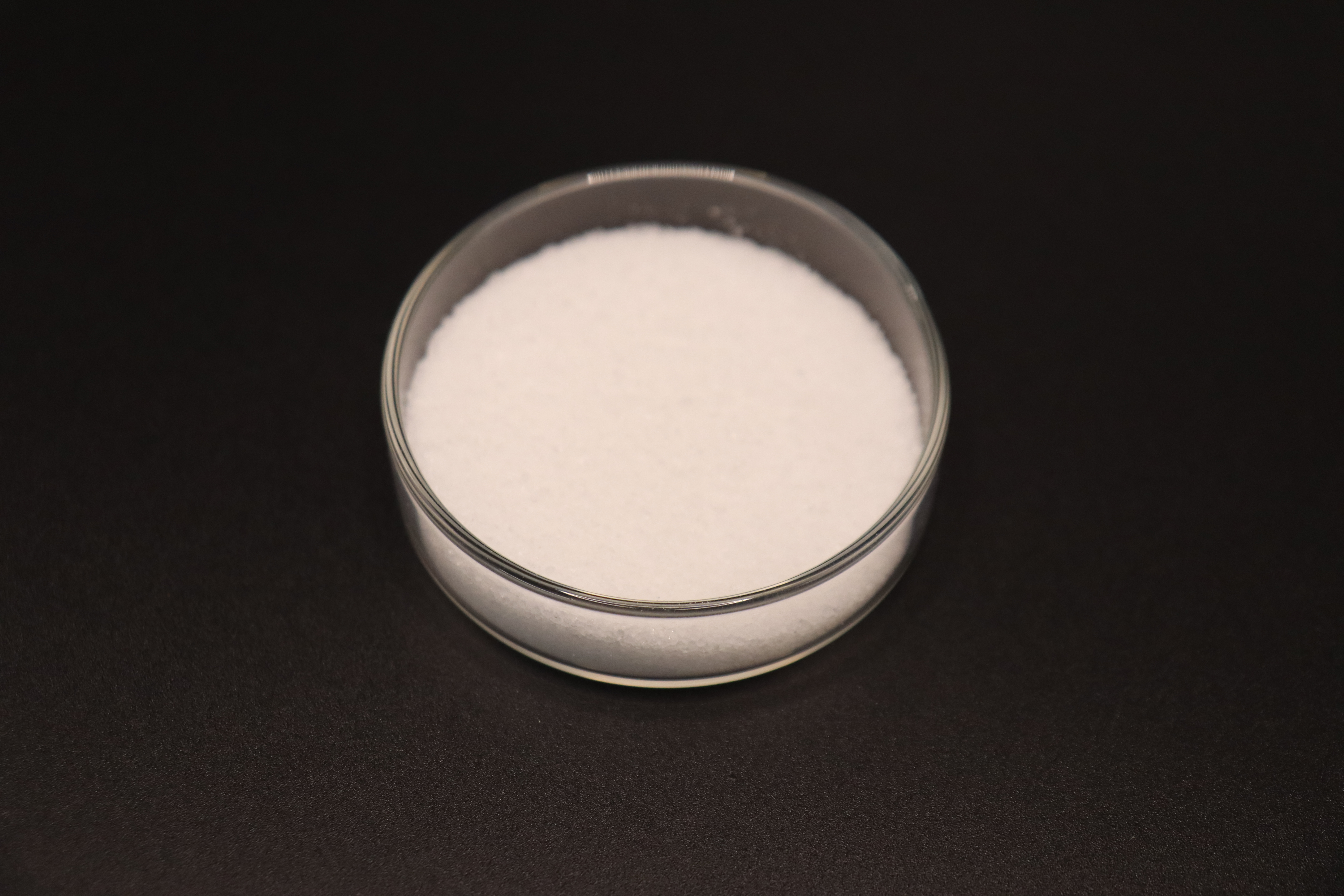
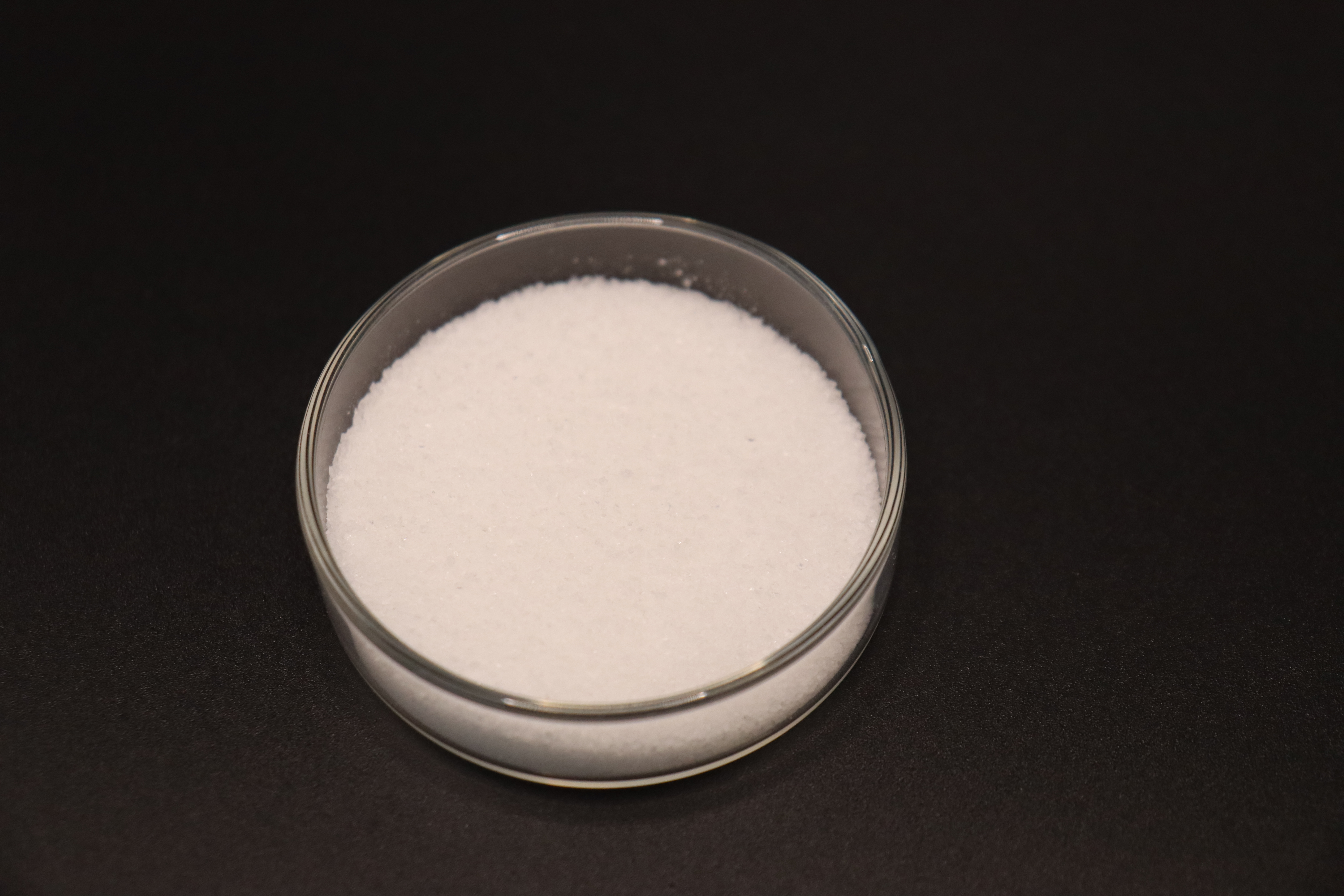
Polyacrylamide is a synthetic polymer made from acrylamide subunits. It is primarily used in applications such as water treatment, where it serves as a flocculant to remove suspended particles from liquids. Its ability to form hydrogels makes it particularly useful in applications requiring moisture retention.
The Science Behind Crosslinking
Crosslinking in polyacrylamide involves the formation of chemical links between the polymer chains, creating a three-dimensional network. This process enhances the mechanical strength and thermal stability of the polymer, making it suitable for demanding environments. Crosslinked polyacrylamide is known for its high viscosity and gel-like properties, which are essential in industrial applications.
Applications of Crosslinked Polyacrylamide
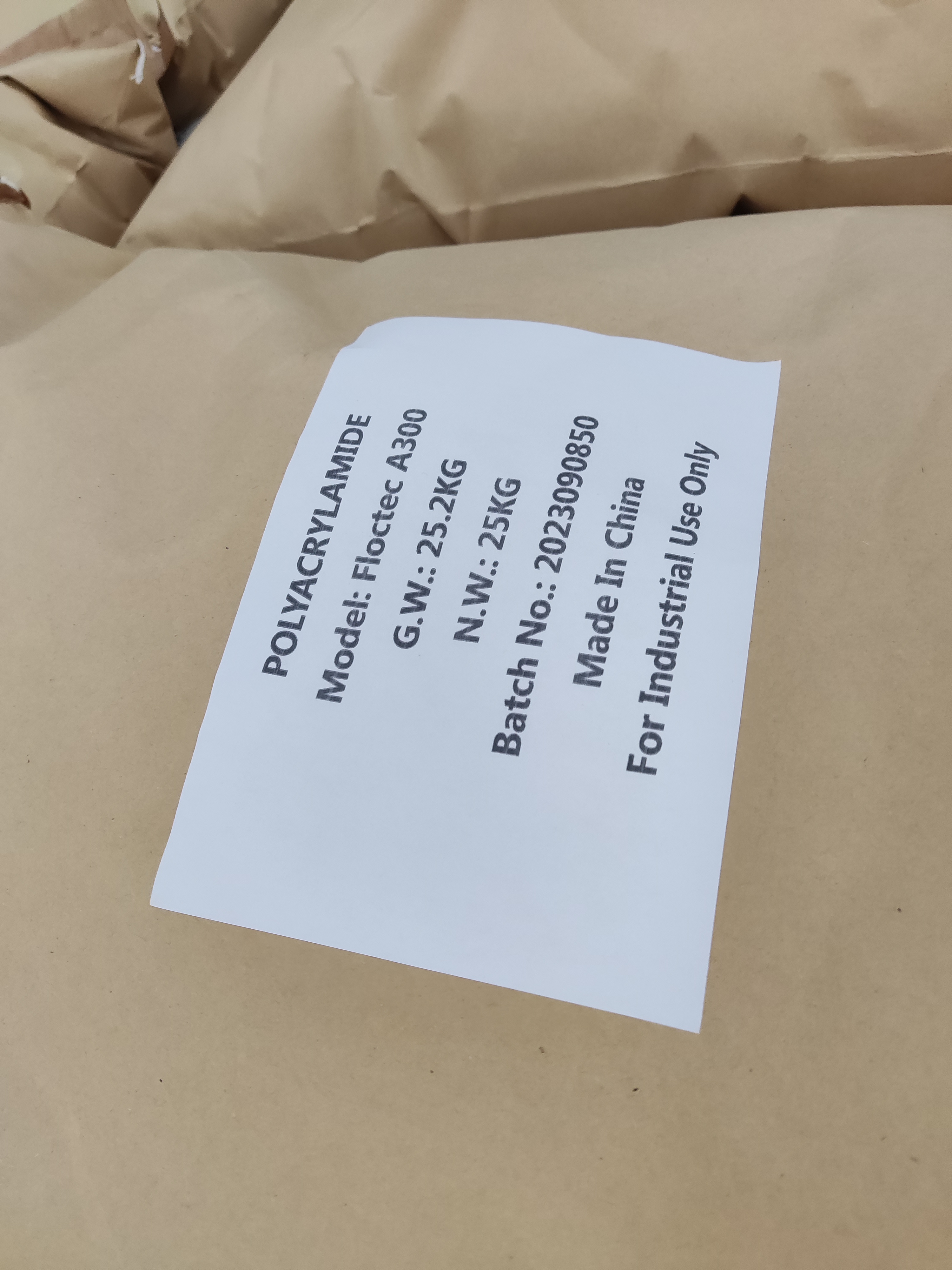
The applications of crosslinked polyacrylamide are vast and varied. In the agricultural sector, it is used to improve soil structure and enhance water retention. In the medical field, polyacrylamide gels are utilized in electrophoresis for the separation of biomolecules. Additionally, its role in water treatment as a flocculant highlights its importance in environmental management.
Benefits of Polyacrylamide Crosslinking
Crosslinking polyacrylamide offers several benefits, including increased durability, chemical resistance, and the ability to withstand extreme conditions. These properties make it an indispensable material in industries looking to optimize their processes and reduce costs.
Conclusion
Polyacrylamide crosslinking is a fascinating area of study with significant implications for both industry and research. Its unique properties and wide range of applications underscore the importance of continued exploration and innovation in this field. As technology advances, the potential uses and benefits of polyacrylamide crosslinking are likely to expand, offering new solutions to old problems.
“`About the Author